Power Bank Buying Guide – What You Need to Know Before Buying

বাংলায় পড়ুন

In today’s digital world, smartphones, tablets, smartwatches, wireless earbuds, and other portable devices have become essential parts of our daily lives. However, running out of battery while traveling, working, or staying outdoors can be frustrating. This is where a power bank becomes an essential accessory.

With so many power banks available in different capacities, charging speeds, and brands, choosing the right one can be confusing. This guide will help you understand the most important factors to consider before buying a power bank.

1. Understand Power Bank Capacity (mAh)

The first thing to check is the battery capacity, which is measured in milliampere-hours (mAh).

Common capacities include:

  1. 5,000mAh
  2. 10,000mAh
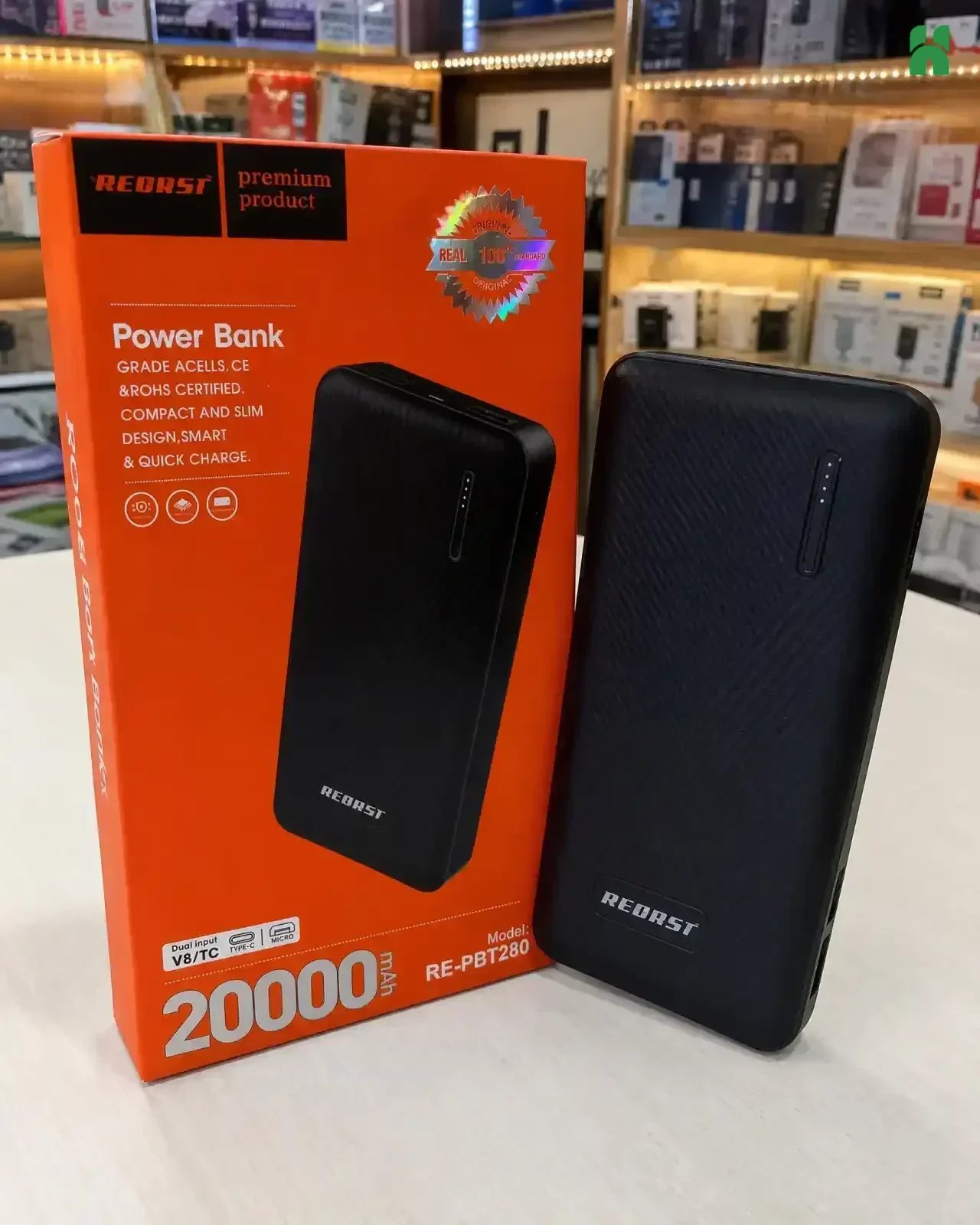
  3. 20,000mAh
  4. 30,000mAh and above

Which Capacity Is Right for You?

5,000mAh – 10,000mAh

Suitable for:

  1. Everyday use
  2. One or two smartphone charges
  3. Easy portability

20,000mAh

Suitable for:

  1. Travelers
  2. Frequent users
  3. Charging multiple devices

30,000mAh+

Suitable for:

  1. Heavy users
  2. Long trips
  3. Charging laptops and multiple gadgets

2. Check Fast Charging Support

Fast charging has become one of the most important features in modern power banks.

Look for:

  1. Quick Charge (QC)
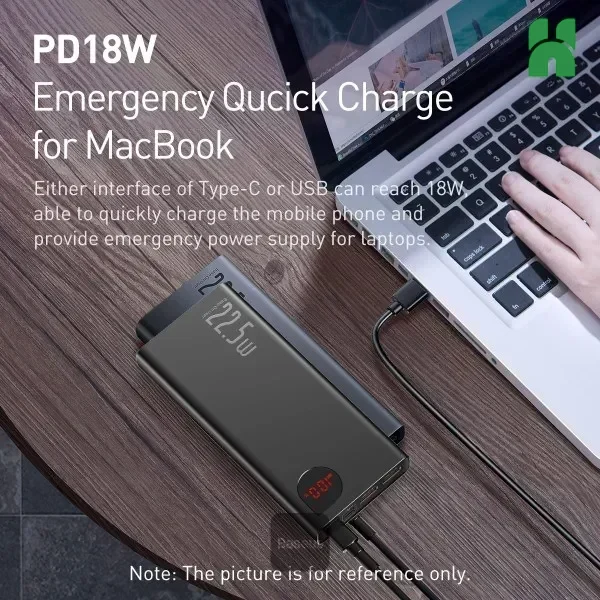
  2. Power Delivery (PD)
  3. Fast Charging Technology

A fast-charging power bank can significantly reduce charging time for compatible devices.
3. Consider Output Power

Charging speed depends heavily on the output power.

Common output ratings include:

  1. 18W
  2. 20W
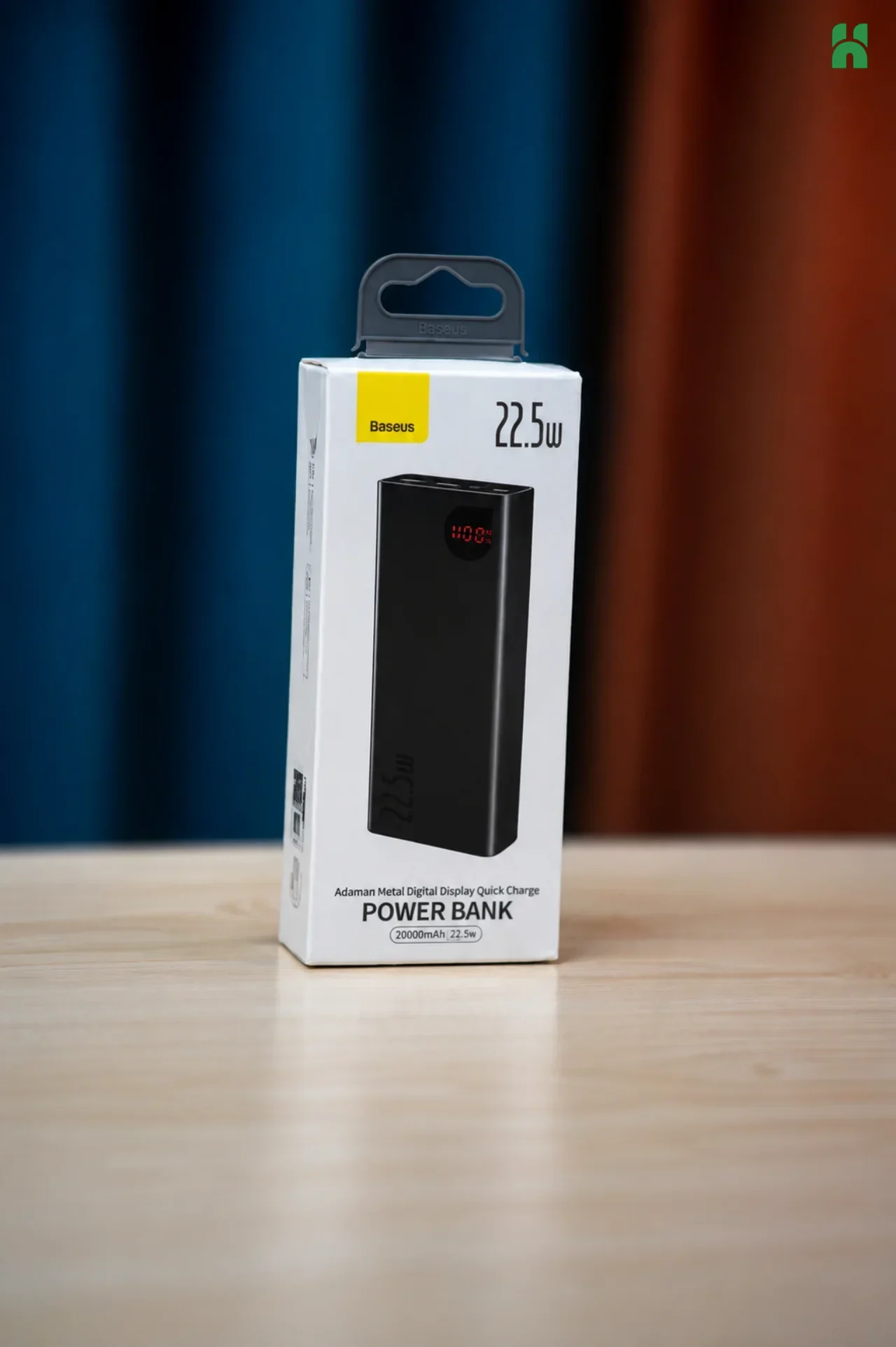
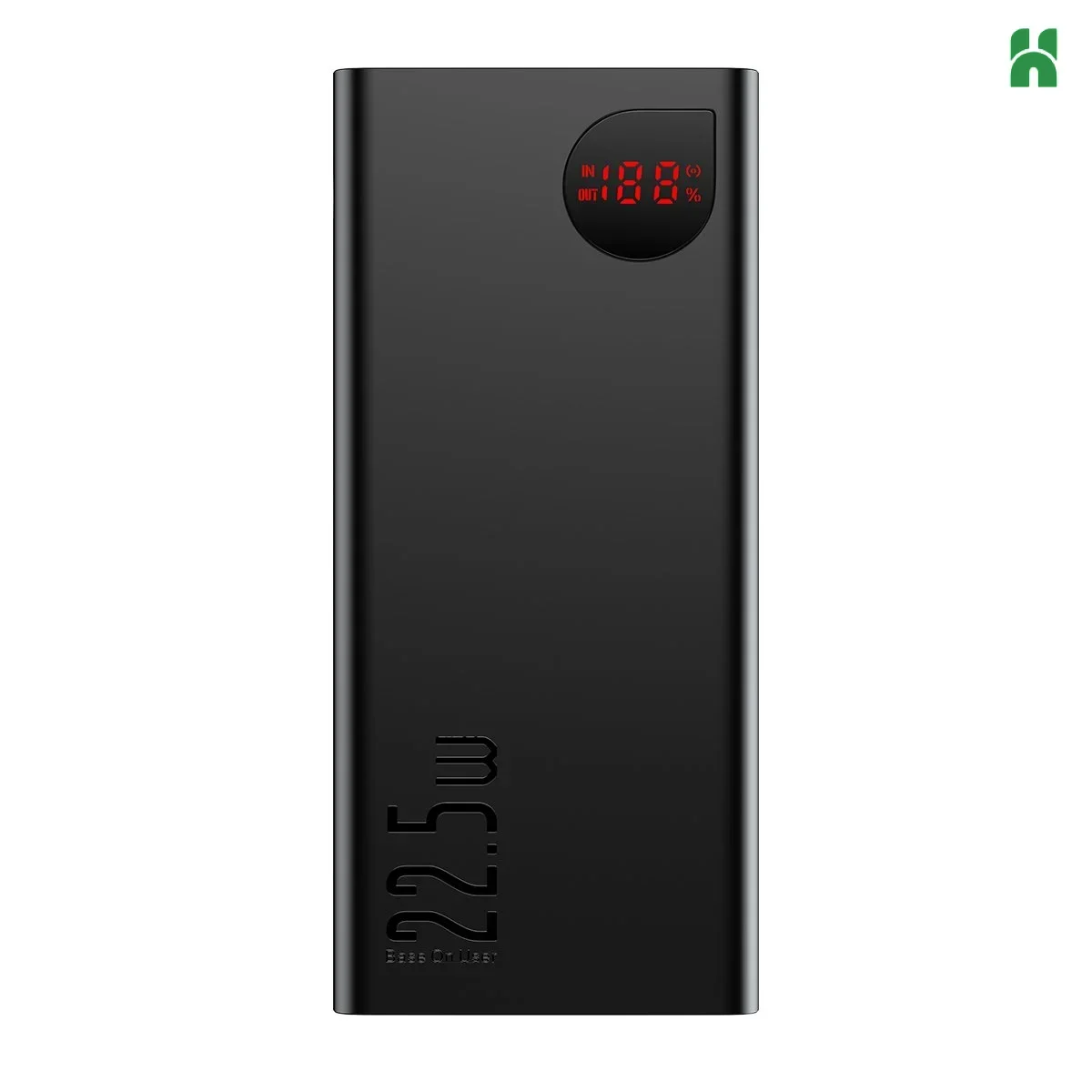
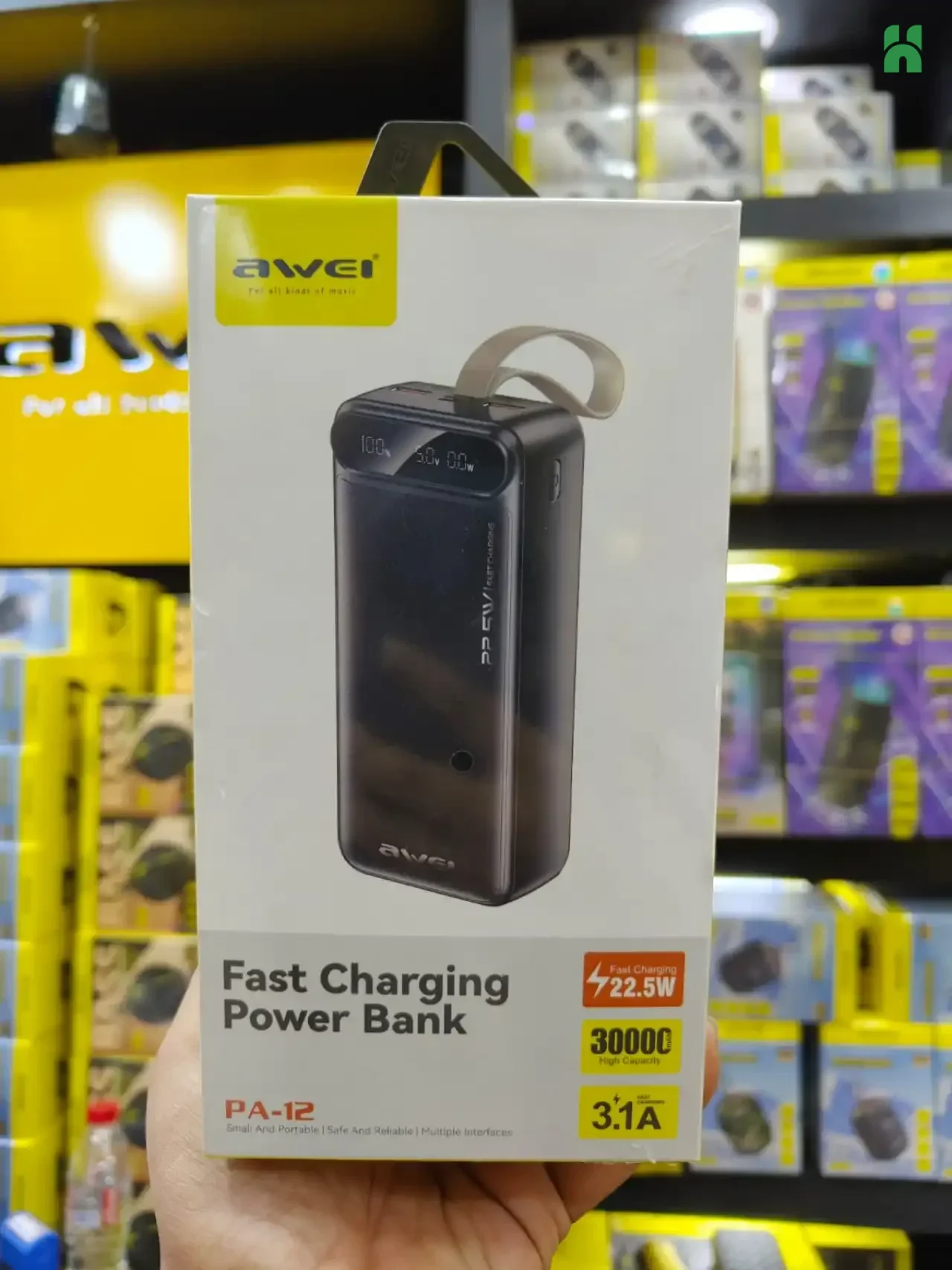
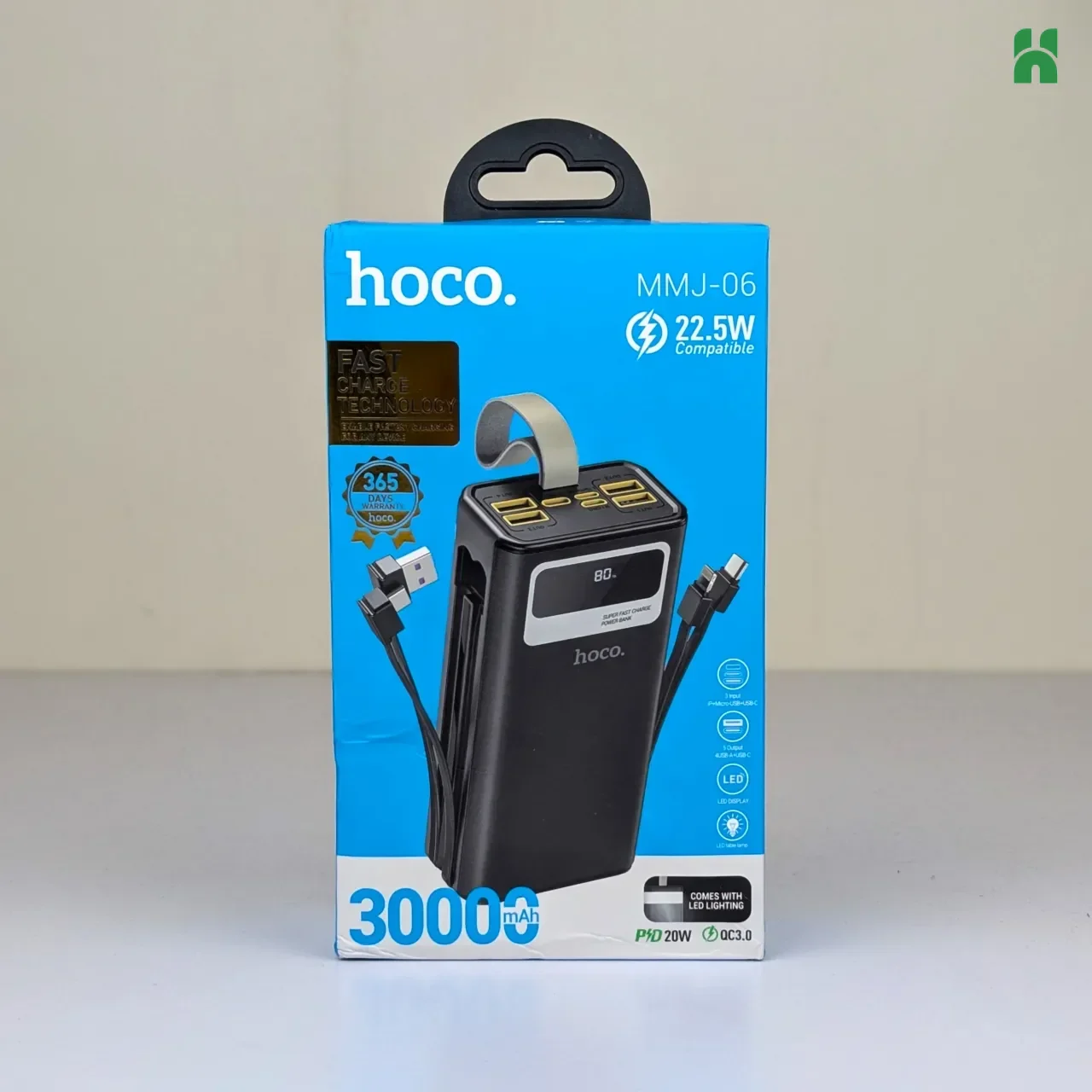
  3. 22.5W
  4. 30W
  5. 45W+

If your smartphone supports fast charging, choosing a power bank with at least 20W output is recommended.

4. Check Input Charging Speed

A power bank should not only charge your devices quickly—it should also recharge itself quickly.

Look for:

  1. USB-C Input
  2. PD Input Support
  3. Fast Recharge Technology

This reduces the time required to fully recharge the power bank.

5. Verify the Number of Ports

If you charge multiple devices, having multiple ports is extremely useful.

Common port types include:

  1. USB-A
  2. USB-C
  3. Micro USB (older models)

For most users, at least two output ports are recommended.

6. Check Safety Features

Safety is one of the most important considerations when buying a power bank.

Essential protections include:

  1. Overcharge Protection
  2. Over Voltage Protection
  3. Over Current Protection
  4. Short Circuit Protection
  5. Temperature Protection

These features help protect both the power bank and your devices.

7. Consider Size and Weight

Higher-capacity power banks are generally larger and heavier.

For Daily Carry

Recommended:

  1. 10,000mAh

Advantages:

  1. Lightweight
  2. Portable
  3. Easy to carry

For Travel

Recommended:

  1. 20,000mAh

Advantages:

  1. Longer backup
  2. Multiple device charging
  3. Excellent balance between size and capacity

8. Look for LED Display or Battery Indicator

A battery indicator helps you monitor the remaining charge.

Common options include:

  1. LED Battery Indicators
  2. Digital Percentage Displays

A digital display provides more accurate battery information.

9. Check Airline Travel Restrictions

If you travel frequently, airline regulations are important.

Most airlines allow:

  1. Power banks up to 20,000mAh without issues

Higher-capacity models may be subject to additional restrictions depending on airline policies.

Always verify airline rules before traveling.

10. Choose a Trusted Brand

Avoid low-quality or counterfeit power banks, as they can be dangerous and unreliable.

Popular power bank brands include:

  1. Xiaomi
  2. Anker
  3. Baseus
  4. UGREEN
  5. Oraimo
  6. Joyroom
  7. Samsung
  8. Remax
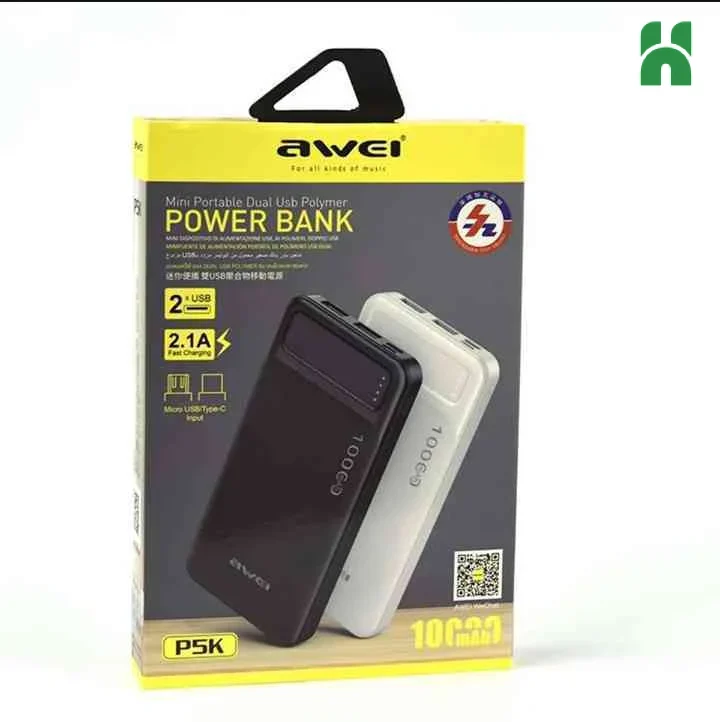
  9. Awei

Trusted brands usually offer better safety, performance, and warranty support.

Common Mistakes to Avoid

Many buyers make the following mistakes:

  1. Choosing based only on mAh capacity
  2. Ignoring fast charging support
  3. Buying unknown brands
  4. Overlooking safety features
  5. Choosing the cheapest option available

Avoiding these mistakes can help you get a safer and more reliable product.

Final Thoughts

A power bank is more than just a backup battery. Capacity, charging speed, safety features, port options, and brand reliability all play an important role in determining the best choice.

By selecting the right power bank based on your usage habits and budget, you can keep your devices powered throughout the day and avoid the inconvenience of running out of battery when you need it most.